
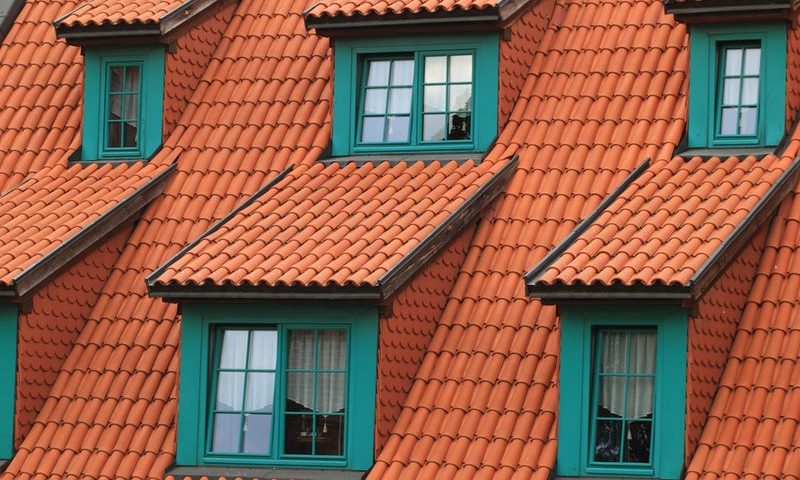
A tile roof makes a strong first impression. Expensive, heavy, and durable, this roofing material will likely last nearly 100 years.
While traditional roofing tiles were made from fired clay, modern roof tiles are made from concrete. Whether you select curved, fluted, interlocking, or flat shapes, all tiles are an excellent choice for homes located in hot weather climates. This is why they are a popular choice in the Southwest, California, and coastal communities.
While tiles are durable, there are certain conditions that can cause them to break. Here are a few considerations to ponder before selecting this timeless roofing material.
Tile Roof Pros and Cons
Pros of Tile Roofing
Let’s start with the good stuff. There are plenty of advantages to tile roofs. They include:
- Lifespan: Tiles are crafted to last over 100 years. They can withstand hail, heavy winds, and even fire. Once you apply this roofing material it’s a safe bet you’ll never have to re-roof in your lifetime. In the event you do, most tile manufacturers back up their product for up to 50 years.
- Choices and more choices: Concrete, slate and even clay tiles come in a variety of hues and styles, so don’t think you’re stuck with just terracotta. Whether your home is contemporary or medieval in design, there are tile options that will suit it just fine.
- No insects, mold, or rot: With tile roofs, you can kiss bugs and decay goodbye.
- Environmentally friendly: You can feel good about your tile roof because it’s not made from chemicals, but rather from earth’s natural minerals. They can even be recycled once removed.
- Energy efficiency: Indoor temperatures are regulated thanks to the heavy thermal mass of the tile.
- Low maintenance: Roof leaks? What are those? With a tile roof, you’ll probably never know. It’s a rare occasion that your roof will need maintenance or repair.
Cons of Tile Roof
Despite plenty of advantages, roof tiles have a few not-so-attractive traits. Let’s take a look:
- Costly: Certainly not for the budget-minded, clay roofs can average anywhere from $675-$1400 per square. Concrete is more affordable and checks in at around $450 per square. It’s important to factor in their long life if you’re on the verge of being deterred by their price.
- Installation: Unless you’re a roofing professional, don’t try tile roof installation on your own. They need to be laid specifically to ensure no water can penetrate.
- Weighty: Tiles are not fit for every roof structure. Your home must be able to carry about 850 lbs. per square, versus asphalt shingles, which only weigh 225-325 lbs. Not every home can support this load. If you need structural reinforcement you’ll have to factor that as an additional cost.
- Brittle: Even though they’re strong, tiles can break if they are hit with sudden impact. Repairs can be costly if the need occurs.
Contact Heritage for Your Tile Roofing Needs
Once you consider the advantages and disadvantages of tile roofing you can make a well-informed material decision with confidence. Contact Heritage today for a free roof assessment to see if a tile roof is a good fit for your home. (And pocketbook!)
7 Comments
Short but precise, thanks for this! It’s important that owners have basic knowledge/awareness of such factors to consider before making decisions like roofing material types as it affects a lot on time, financial, and long-term lifestyle as well.
Very well-detailed, its good that I read your article before we proceed with our re-roofing, the blog is easier to understand since you made it directly to what we need to know. Thanks for sharing this!
Nice article, great suggestions
I appreciate how this article explains both the benefits and drawbacks of tile roofing. The points about long-term durability, energy efficiency, and structural weight are especially helpful for homeowners considering this investment.
The reminder that not every home can support heavy roofing tiles is important. Would you recommend a structural inspection before choosing between clay and concrete tiles?
Yes, a professional structural inspection is an absolute mandatory first step before choosing between or installing either clay or concrete roof tiles.
I like how this article explains that tile roofing offers more than just durability and curb appeal. The variety of colors and styles, along with the environmental benefits of natural materials, makes it an interesting option for homeowners.
The point about tiles being vulnerable to sudden impacts is worth considering. Are concrete tiles generally more resistant to hail damage than clay tiles?
Yes, concrete tiles are generally more resistant to hail damage than clay tiles. While both materials offer high durability, concrete is denser and less brittle, making it less prone to cracking or shattering under the direct impact of hailstones compared to the more fragile nature of clay.
Material Properties: Concrete’s dense aggregate structure absorbs and disperses impact energy effectively, while clay’s fired ceramic composition is harder but more susceptible to corner fractures and cracks from sharp, direct hits.
Write a Comment
Roofing Categories
Roofing Archives